Why the Right Women's Socks Make a Bigger Difference Than You Think
Most women spend considerable time choosing shoes, yet socks rarely get the same attention. That's a mistake. The right pair of women's socks directly affects foot health, comfort during activity, and even the longevity of your footwear. Whether you're on your feet all day at work, hitting the gym, or looking for the perfect no-show pair to wear with loafers, understanding what separates a quality sock from a forgettable one will change how you shop — and how your feet feel.
Common Sock Types and What Each Is Actually Good For
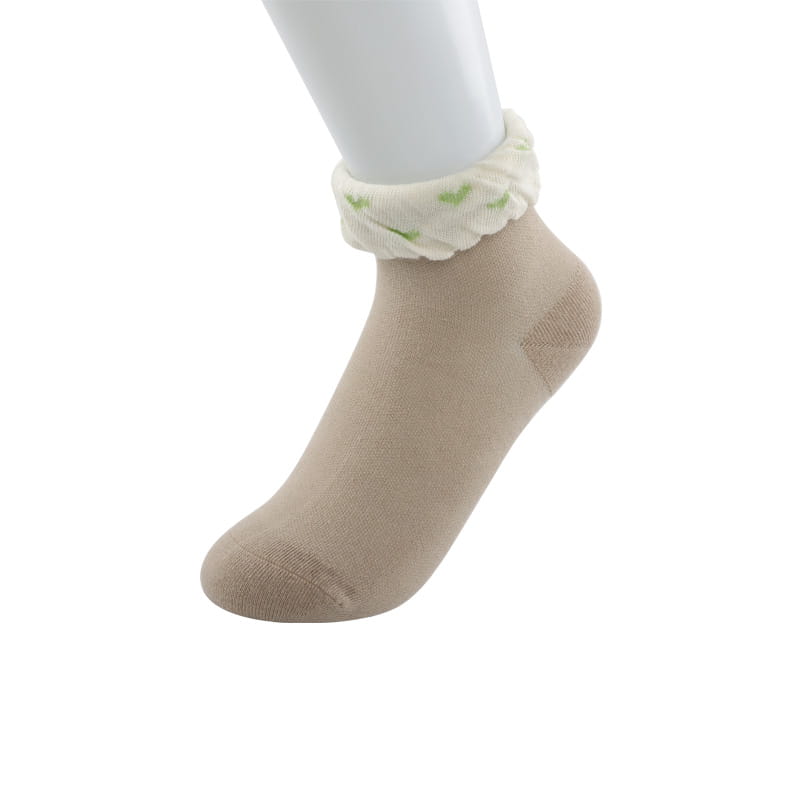
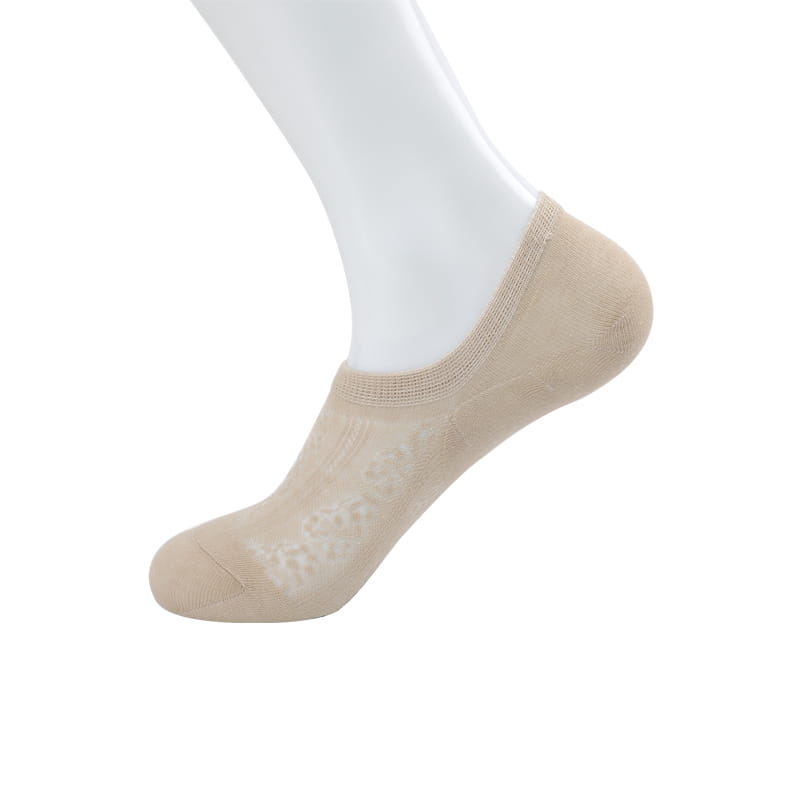
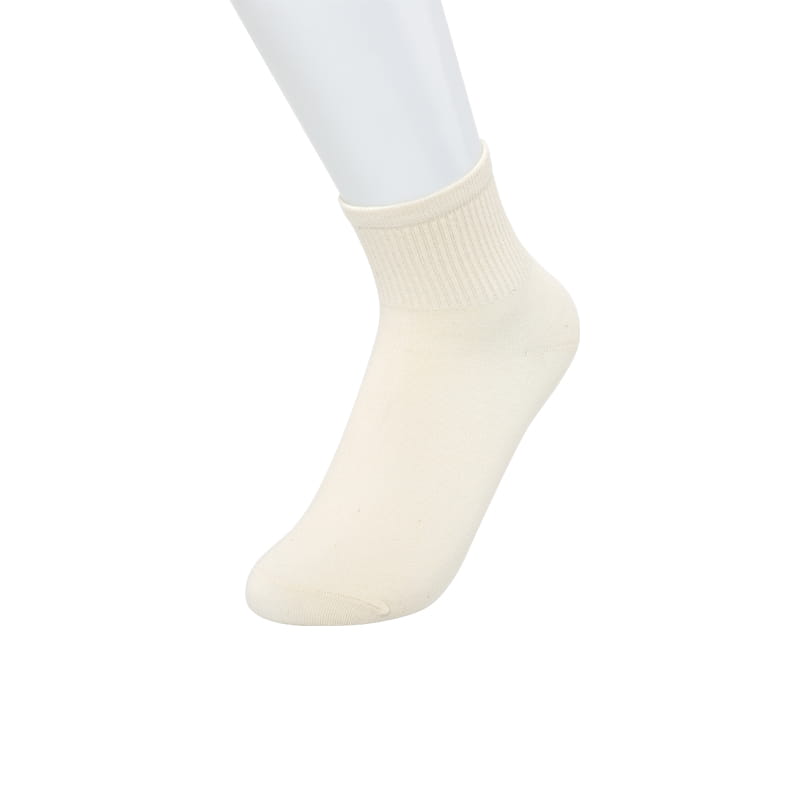
Women's socks come in a wide variety of cuts, and each serves a distinct purpose. Choosing the wrong style for your activity isn't just a fashion misstep — it can lead to blisters, overheating, or uncomfortable bunching inside your shoe.
| Sock Style | Best For | Avoid With |
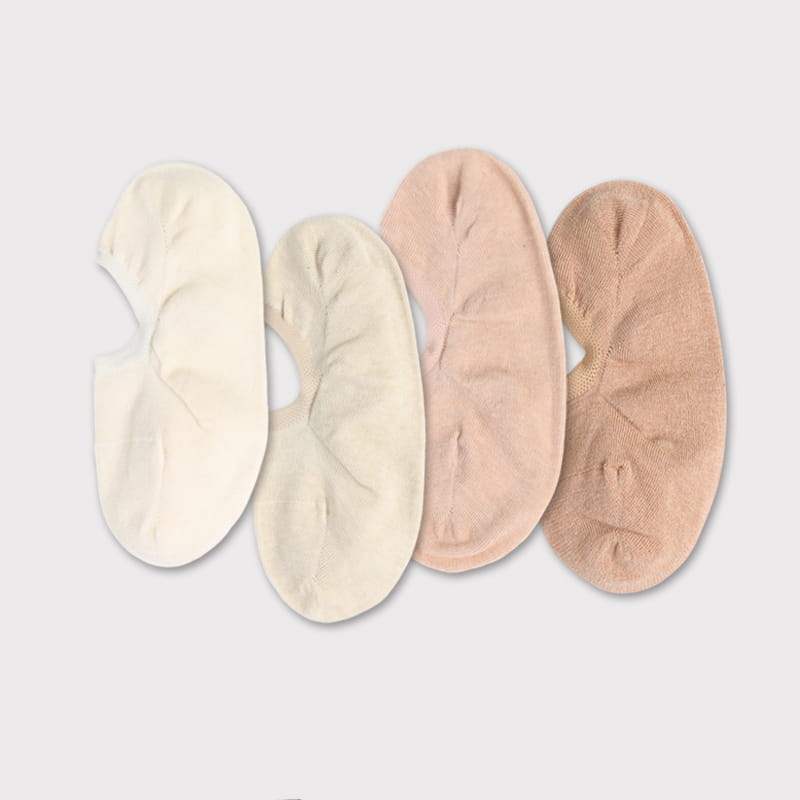
| No-Show / Invisible | Loafers, flats, low-cut sneakers | Hiking boots, high-impact sports |
| Ankle Socks | Running, gym workouts, casual wear | Ankle boots without lining |
| Crew Socks | Everyday wear, cold weather, retro styling | Dress shoes or slim trousers |
| Knee-High Socks | Boots, skirts, compression support | Athletic activities |
| Compression Socks | Long-haul travel, standing jobs, recovery | Casual fashion without medical need |
Materials Matter More Than the Label Says
The fiber content of a sock determines how it performs under real conditions — not the marketing on the package. Cotton is the most common material and works fine for light daily use, but it absorbs moisture and holds onto it, which can lead to blisters during exercise or cold, clammy feet in winter. Wool, particularly merino wool, is a superior choice for temperature regulation and odor resistance. It keeps feet warm when wet and cool in warmer weather, which explains why it's the preferred material for outdoor and hiking socks.
Synthetic materials like polyester, nylon, and spandex each play a supporting role. Polyester wicks moisture away from the skin and dries quickly, making it valuable for athletic socks. Nylon adds durability and helps socks hold their shape over repeated washing. Spandex or elastane provides stretch and ensures the sock stays snug without slipping. The best performance socks for women typically blend these synthetics with a small percentage of natural fiber for comfort.
Material Comparison at a Glance
- Merino Wool: Best all-around performance. Odor-resistant, moisture-wicking, temperature-regulating. Worth the higher price for active or outdoor use.
- Cotton: Soft and breathable for low-activity days. Not ideal for sports or extended walking.
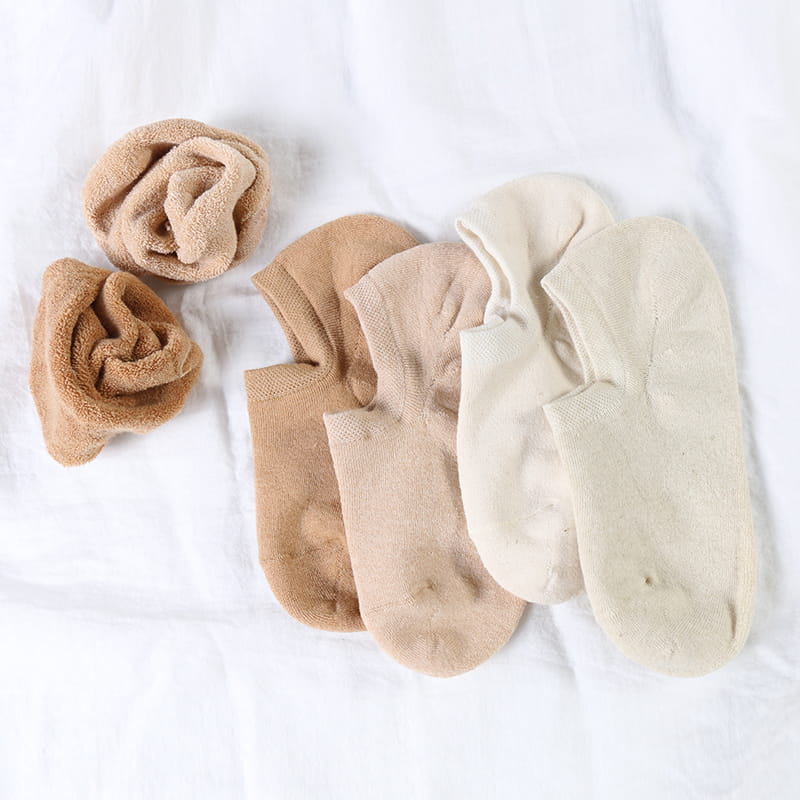
- Bamboo: Naturally soft, antimicrobial, and more moisture-absorbing than cotton. A good sustainable option for everyday socks.
- Synthetic Blends: Ideal for running and gym use. Look for at least 40% polyester or nylon for reliable moisture management.
- Cashmere / Silk Blends: Luxuriously soft but delicate. Best reserved for low-wear, dress occasions.
How to Choose Women's Socks for Specific Activities
Running and High-Impact Exercise
Running puts specific demands on socks that ordinary pairs aren't built for. Look for a sock with targeted cushioning in the heel and ball of the foot — these are the two areas that absorb the most impact with each stride. Moisture-wicking fabric is non-negotiable, since wet socks dramatically increase friction and the risk of blisters. Many performance-grade running socks for women also feature a snug arch band that reduces foot fatigue and prevents the sock from shifting during movement. Tab socks with a small heel guard are a smart choice for trail runners and those prone to Achilles irritation.
Office and All-Day Wear
Women who spend hours standing or walking on hard floors benefit most from a flat-knit crew or ankle sock with light cushioning underfoot. Too much padding makes certain dress shoes fit incorrectly, so prioritize a thin profile. A reinforced toe and heel will extend the life of the sock significantly. For dress-oriented offices, fine-gauge trouser socks in microfiber or a cotton-nylon blend offer a sleek silhouette without bulk. Make sure the cuff is elasticated enough to stay in place without cutting into the calf — a common complaint with cheaper brands.
Hiking and Outdoor Activities
Outdoor socks for women need to perform across varied terrain and temperature changes. A midweight merino wool hiking sock with full-foot cushioning is the gold standard. The cushioning protects against the inside seams and rigid support structures of hiking boots, which can cause hot spots on long treks. Height matters too: choose a crew or knee-high cut that fully covers the boot cuff to prevent chafing at the ankle. Avoid 100% cotton in this context — when wet from sweat or stream crossings, cotton socks become heavy and lose all insulating value.
Travel and Long-Haul Flights
Sitting for extended periods causes fluid to pool in the lower legs, leading to swelling and discomfort. Graduated compression socks apply the most pressure at the ankle and gradually decrease toward the calf, actively encouraging blood flow back toward the heart. Medical-grade compression is measured in mmHg; for travel purposes, 15–20 mmHg is appropriate for most healthy adults. Many women find that wearing compression knee-highs on flights of four hours or more significantly reduces post-flight fatigue and ankle puffiness. Brands now offer these in fashion-forward patterns and colors, so they work just as well for busy travel days as for medical use.
Sizing, Fit, and the Details That Actually Prevent Blisters
Even the best sock material will fail if the fit is wrong. Women's socks are typically sold in ranges like shoe size 5–7, 7–9, or 9–11. Always size down if you fall in the middle of a range — a sock that's slightly too large will bunch at the toe box and create pressure points. Pay close attention to where the toe seam sits. Traditional seams that run across the toe can cause serious irritation during long walks. Seamless or hand-linked toe closures, where the seam lies flat and smooth, are a practical upgrade worth paying for.
The cuff tension is another underrated detail. A cuff that's too loose won't stay up; one that's too tight can leave red marks and restrict circulation. Quality socks use a graduated elastic cuff that grips without constricting. If you find your socks consistently falling down throughout the day, it's often a sizing issue rather than a quality one — go up or down a size before assuming the brand is unreliable.
Washing and Care Tips to Make Your Socks Last
Even high-quality women's socks degrade quickly with improper care. Washing in hot water breaks down elastic fibers and causes shrinkage, particularly in wool blends. Cold or lukewarm water on a gentle cycle is safer for most socks. Avoid the dryer for merino wool or compression socks entirely — heat damages the fibers and destroys the elastic structure. Air drying flat preserves the shape and extends elasticity. Turning socks inside out before washing reduces pilling on the exterior surface. And while it may seem trivial, sorting and storing pairs together prevents the stretching that happens when you root through a disorganized drawer for a match.
The life span of a well-made sock, properly cared for, is measured in years rather than months. Treating them as a minor but purposeful part of your wardrobe — rather than a throwaway item — means fewer replacements, more consistent comfort, and healthier feet overall.